

Hydrangea Coffee Roasters
Castillo
360 Hour Fermentation
Finca El Paraiso
Castillo - 360 Hour Fermentation - Finca El Paraiso
Couldn't load pickup availability
Tastes Like: Cinnamon, Gingerbread, Cacao Nibs
Origin: El Paraiso, Cauca, Colombia
Variety: Castillo
Producer: Samuel Diego Bermudez
Elevation: 1930 masl
Process: 360 Hour Fermentation
About Finca El Paraiso
Finca El Paraiso is Samuel Diego Bermudez’s coffee project in Cauca, Colombia. He began growing coffee on family land while studying agricultural enterprise management, then developed his work through INDESTEC, a company focused on coffee processing technology. Fermentation research and equipment design have become central to the team’s approach to producing consistent, distinctive coffees.
The coffees in this selection come from high-elevation growing conditions in Cauca, where frequent rainfall makes careful post-harvest handling especially important. El Paraiso combines cultivation with controlled fermentation and drying, adjusting those stages to suit each variety and named profile.
Variety
Castillo is a Colombian Arabica variety developed by Cenicafé from Caturra and Timor Hybrid material. It was selected for productivity, adaptability, and resistance to coffee leaf rust while retaining good cup-quality potential. El Paraiso uses this widely cultivated Colombian variety to explore how controlled fermentation can shape aroma, acidity, and sweetness.
Processing
For the MF-360 profile, ripe Castillo cherries are cleaned with ozone and held underwater for 72 hours with a Lactobacillus culture grown in a milk-based medium. The liquid is then drained and the coffee is exposed to air for a further 360-hour oxidation stage. The 360-hour name refers to that extended stage, rather than the combined duration of both stages.
A thermal-shock wash follows, using a change in water temperature as part of the finishing treatment. The coffee is then dried in a dehumidifier and allowed to stabilize before milling. This prolonged combination of fermentation and oxidation can develop a pronounced processing character, while controlled drying helps manage the remaining moisture.

Brewing Accesories
-
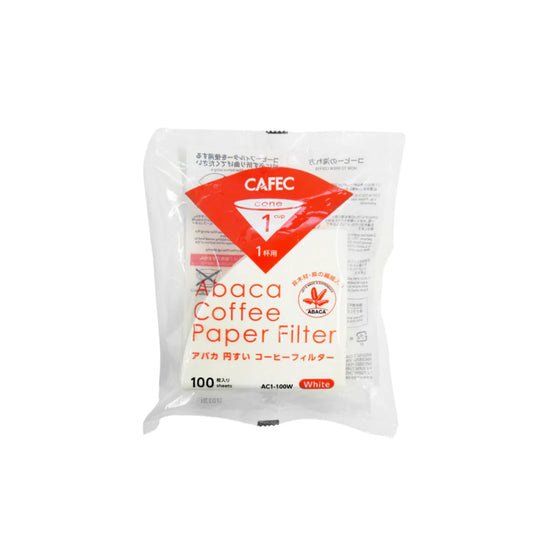
CAFEC Abaca Filters
Regular price $10.00 USDRegular priceUnit price per -
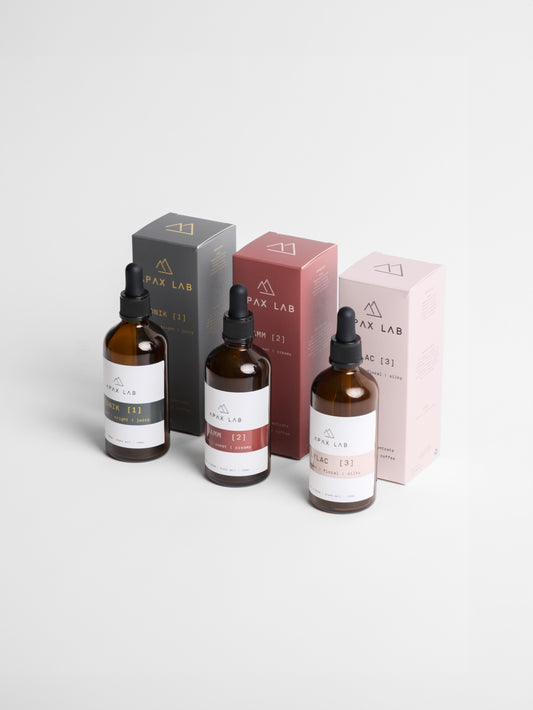
APAX LAB Mineral Concentrates
Regular price From $30.40 USDRegular priceUnit price per -
Yearn Tour x Hydrangea Pink Double Walled Tasting Cup
Regular price $15.00 USDRegular priceUnit price per -
Hydrangea x APAX LAB
Mineral Concentrate
Regular price $25.00 USDRegular priceUnit price per